
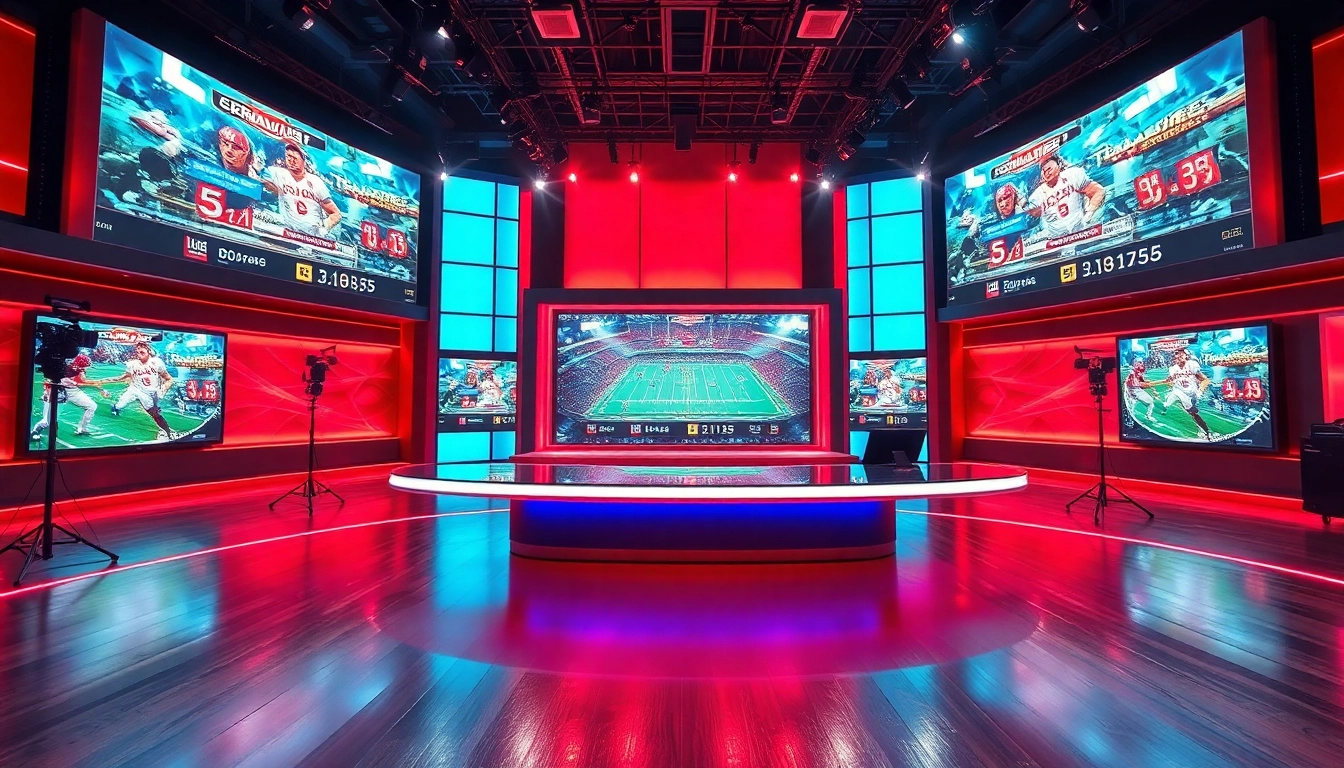
Introduction to Sports Broadcasting
Sports broadcasting has undergone tremendous transformations over the years. From the early days of radio broadcasts connecting fans to their favorite teams, to the present era dominated by live-streaming platforms and high-definition telecasts, sports broadcasting is a dynamic industry that continues to evolve. As it expands globally, it bridges the gap between athletes, teams, and audiences. The significance of Sports Broadcasting in our culture cannot be overstated—it shapes how we experience sports and connects millions of fans worldwide.
The Evolution of Sports Broadcasting
Sporting events were first aired on radio in the 1920s, marking a revolutionary step in how fans interacted with the games they loved. Early broadcasts were limited in reach and quality, yet they set the foundation for what would become a multi-faceted industry. The introduction of television in the mid-20th century changed the landscape, bringing vivid imagery of sporting moments into living rooms everywhere. Major events like the Super Bowl and the Olympics began to be live-broadcast, drawing in millions of viewers. As technology advanced, so did the quality of broadcasts, leading to enhancements such as instant replays, multiple camera angles, and expert commentary.
Importance of Sports Broadcasting in Today’s Media
Sports broadcasting plays an integral role in the media landscape today. It serves as a platform for storytelling, creating an emotional connection between athletes and fans. Sports networks are not just about games; they offer in-depth analysis, interviews, and unique insights into the industry. This content fosters fan engagement, helping teams to cultivate loyal followings. Additionally, sports broadcasting generates substantial revenue through advertising, sponsorship deals, and subscription services, underscoring its economic significance in the media industry.
Key Roles in Sports Broadcasting
In sports broadcasting, numerous roles collaborate to create a seamless viewing experience. Key positions include producers who oversee the broadcast, directors who manage the visual elements, and commentators who provide play-by-play analysis. Technical staff, including camera operators and sound engineers, are vital in delivering high-quality productions. Additionally, content creators and social media managers engage with audiences through digital platforms, ensuring that the conversation extends beyond the traditional broadcast.
Key Technologies in Sports Broadcasting
Broadcasting Equipment Essentials
The backbone of any sports broadcast is its equipment. High-definition cameras, advanced audio systems, and broadcasting software are crucial for capturing the essence of sporting events. Outside broadcasts often require mobile production units equipped with cutting-edge technology including satellite links, which facilitate live coverage from various locations. Furthermore, the use of drones and unmanned aerial vehicles (UAVs) has emerged, offering unique vantage points that enhance viewer experience.
Emerging Technologies in Sports Broadcasting
As innovation continues to drive the industry, emerging technologies are reshaping how sports are consumed. Technologies such as augmented reality (AR) and virtual reality (VR) are being integrated into broadcasts, offering interactive experiences that engage fans like never before. VR, for example, allows viewers to immerse themselves in a simulated environment that replicates attending a live game. Additionally, AI-driven analytics enhance the depth of sports commentary and provide viewers insights about player performance and game strategies.
The Role of Streaming Services
Streaming services have become a game changer in sports broadcasting. Platforms such as ESPN+, DAZN, and Amazon Prime Video provide fans with on-demand access to games and exclusive content. This shift to streaming has changed traditional broadcasting schedules, allowing viewers to watch events anytime, anywhere. Furthermore, streaming offers an avenue for niche sports and leagues that may not receive mainstream coverage, broadening the landscape of sports entertainment.
Challenges and Opportunities in Sports Broadcasting
Common Issues Facing Broadcasters
Despite the advances in technology and content delivery mechanisms, sports broadcasters face several challenges. One significant issue is the high cost of rights to broadcast major sporting events, which can strain budgets and limit coverage opportunities. Additionally, competition from digital platforms has significantly impacted traditional sports networks, leading to declining viewership in some cases. Broadcasters must adapt to rapidly changing technologies and viewer preferences to maintain relevance.
Adapting to Changing Audiences
Modern audiences are more diverse and demanding than ever before. Broadcasters must tailor their offerings to satisfy the varying preferences of different demographics. This involves not only the choice of sports being covered but also the presentation style, platform used, and interactivity elements. Engaging younger audiences who prefer streaming over traditional cable requires broadcasters to innovate continuously and offer content that resonates with this group.
Opportunities with New Media
The rise of new media presents ample opportunities for sports broadcasters. Social media platforms such as Instagram and TikTok allow broadcasters to engage directly with fans, providing a space for real-time interaction and community building. Moreover, the availability of data analytics tools offers insights into viewer behavior, enabling specialized content development. Expansion into international markets through digital channels opens avenues for growth and diversification.
Best Practices for Successful Sports Broadcasting
Effective Storytelling Techniques
Storytelling is at the heart of successful sports broadcasting. Captivating narratives about teams, rivalries, and individual athletes can elevate the viewer’s experience. Effective broadcasters connect emotionally by sharing personal stories of athletes, diving into the history of rivalries, or even exploring the cultural significance of sports in communities. Crafting relatable narratives can turn a good broadcast into a great one, keeping audiences engaged and invested.
Engagement Strategies for Viewers
Engagement goes beyond mere viewership—it’s about building a community around the sport. Broadcasters should leverage social media, live chats, and polls to involve fans in the discussion. Special segments, such as behind-the-scenes footage or player interviews, can create a connection between fans and the sports they love. Additionally, utilizing apps and websites tailored to fans can promote interaction and serve as a platform for sharing content.
Performance Metrics and Analysis
Measuring the success of a sports broadcast involves insightful evaluation of performance metrics. Key indicators include viewer ratings, engagement on social media, and audience retention rates. Analytics tools provide broadcasters with data-driven insights that inform future broadcasts, helping them understand patterns in viewer behavior. Adjustments based on these analytics ensure content remains relevant and meets the audience’s evolving needs.
Future Trends in Sports Broadcasting
The Impact of AI and Automation
Artificial Intelligence is set to revolutionize sports broadcasting further. With the ability to analyze vast amounts of data, AI can provide real-time insights that enhance commentary and analysis. Automated cameras and drones can capture footage with precision, reducing the dependency on manpower. This will not only streamline production but also offer new perspectives during broadcasts, ultimately enriching the viewer experience.
Sustainability in Broadcasting Practices
As sports broadcasting grows, so does the responsibility to implement sustainable practices. Broadcasters are increasingly focusing on reducing their carbon footprint by adopting eco-friendly technologies and methods. This includes leveraging energy-efficient equipment, reducing physical production footprints through virtual setups, and participating in initiatives that promote sustainability in sports. These efforts align with a growing audience interest in corporate responsibility, enhancing brand loyalty.
Looking Ahead: The Next Decade of Sports Broadcasting
As we gaze into the future, the trajectory of sports broadcasting seems set on a path of innovation and transformation. The integration of more user-centric content, blending digital experiences with traditional broadcasts, will likely become standard. The next decade will also see enhanced personalization, where tailored content will cater to individual viewer preferences. Additionally, as global connectivity expands, sports broadcasting will reach new audiences, further transforming the landscape of how we consume sports.
Frequently Asked Questions
What is sports broadcasting?
Sports broadcasting refers to the dissemination of live or recorded sports events to an audience via television, radio, or digital platforms.
How has technology influenced sports broadcasting?
Technology has enhanced sports broadcasting through high-definition visuals, instant replays, and data analytics, significantly improving viewer experience.
What are the main challenges in sports broadcasting?
Key challenges include the high cost of broadcasting rights, maintaining viewer engagement, and adapting to competition from digital platforms.
How do streaming services impact sports broadcasting?
Streaming services offer flexible access to sports content, facilitating viewer engagement and expanding market reach for smaller leagues.
What trends should we expect in sports broadcasting?
Expect growth in AI utilization, more sustainable practices, and personalized viewer experiences as future trends in sports broadcasting.