
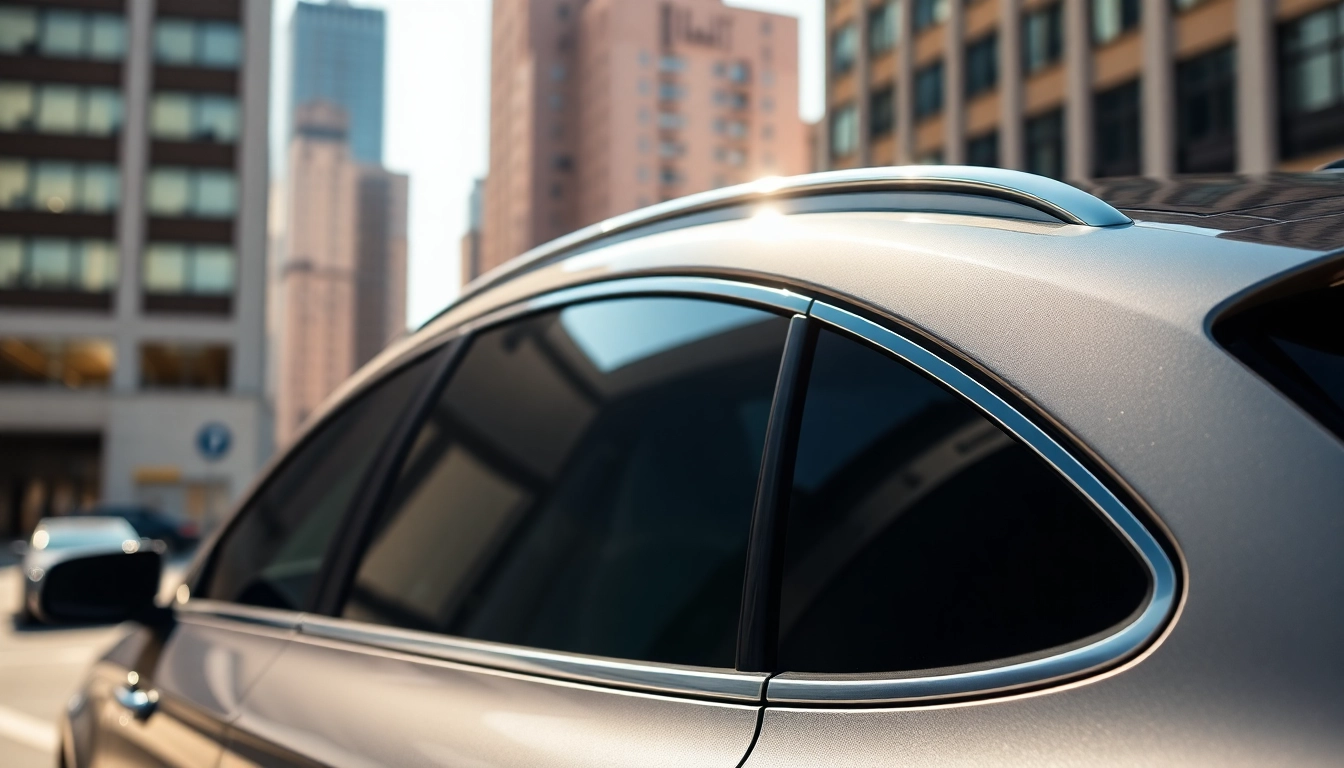
Understanding Auto Window Tint
What is Auto Window Tint?
Auto window tint refers to a thin film applied to a vehicle’s windows to enhance privacy, reduce heat, and block harmful UV rays. This film comes in various shades and materials, providing functionality and style for car owners. The tint not only enhances the aesthetic appeal of vehicles but also contributes significantly to passenger comfort by lowering internal temperatures and improving visibility during bright days.
Types of Auto Window Tint Options
There are several types of window tint available to car owners, each varying in terms of material, performance, and price:
- Dye-based Tint: This is a cost-effective option that uses dyes to absorb heat and reduce glare. However, it may fade over time, particularly with prolonged sunlight exposure.
- Metalized Tint: This type incorporates tiny metal particles, offering superior heat rejection and strength. It can improve window durability, but the metal content may interfere with GPS and radio signals.
- Ceramic Tint: Known for its superior heat rejection and clarity, ceramic films block out UV rays and infrared light without affecting visibility. This high-performance option is often the most expensive but offers long-term benefits and durability.
- Hybrid Tint: This combines dye and metallic elements to balance cost and performance. It offers good heat rejection and less fading than purely dye-based films.
Key Benefits of Window Tinting
Investing in auto window tinting provides a range of benefits:
- UV Protection: Up to 99% of harmful UV rays can be blocked, protecting your skin and interior from damage.
- Heat Reduction: Tinted windows can significantly reduce heat buildup, making your vehicle more comfortable, especially in hot weather.
- Privacy and Security: Tints provide increased privacy for passengers and belongings, making it harder for potential thieves to see valuables inside.
- Enhanced Aesthetics: A stylish tint can improve the overall look of a vehicle, potentially increasing its resale value.
Evaluating Local Tinting Services
How to Find Auto Window Tint Near Me
Finding quality tinting services begins with research. Use online resources, reviews, and local business directories to discover service providers near you. Searching for auto window tint near me can yield a list of competitors and options for further evaluation. Consider factors such as reputation, service offerings, and distance.
Factors to Consider When Choosing a Tinting Service
When selecting an auto window tinting service, consider the following criteria:
- Experience: Look for providers with a proven track record in the industry. Experienced technicians are likely to deliver better quality work.
- Certifications: Ensure the service complies with local laws and has the necessary licenses and certifications to operate.
- Material Quality: Inquire about the types of films they use and their warranty policies, as high-quality materials typically offer better performance and longevity.
- Cost Estimates: Expect transparency in pricing and get multiple quotes to compare the cost versus the services offered.
Customer Reviews and Recommendations
Customer feedback is instrumental in evaluating tinting services. Check online reviews on platforms such as Yelp or Google to gain insight into clients’ experiences. Word of mouth is powerful, so ask friends or family for recommendations based on their own tinting experiences. Look for testimonials that highlight quality, customer service, and professionalism.
Legal Aspects of Window Tinting
Window Tint Laws in My Area
Each state or region has specific regulations governing window tinting that dictate how much tint can legally be applied. It’s essential to familiarize yourself with these laws before installation. Depending on your location, restrictions might exist regarding tint darkness, reflectivity, and which windows can be tinted at all.
Understanding Visible Light Transmission (VLT)
Visible Light Transmission (VLT) refers to the percentage of light that can pass through your windows. Understanding VLT is crucial when choosing tinting options to remain compliant with local laws. More restrictive areas may require higher VLT percentages for front windows compared to rear windows. Assessing these requirements will help ensure that you choose the right tinting film.
Potential Consequences of Non-Compliance
Failing to adhere to local window tinting laws can lead to significant consequences, including fines, mandatory removal of tint, and complications during vehicle inspections. It could also potentially affect your vehicle insurance claims in some cases. Therefore, it is vital to guarantee compliance with regulations to avoid these penalties.
Installation Process
What to Expect During Installation
During the installation process, expect the following steps:
- Preparation: The technician will clean the windows thoroughly to ensure that the tint adheres properly.
- Cutting the Film: The tint film will be custom-cut to fit the windows precisely.
- Application: The film is applied using a bonding solution, followed by smoothing out to remove air bubbles.
- Curing: The film typically takes several days to fully cure and adhere to the glass. Avoid rolling down windows during this time.
DIY vs. Professional Tinting
While DIY window tinting kits are available, professional installation is recommended for several reasons. Professionals have the required experience and equipment to ensure a flawless application, eliminating common mistakes such as air bubbles, misalignment, and improper cuts. Additionally, opting for professional services often comes with warranties and guarantees, adding further value.
Common Mistakes to Avoid
Here are some common pitfalls to steer clear of when considering window tinting:
- Choosing the Wrong Type of Tint: Not all films offer the same benefits. Selecting one without understanding your needs can lead to dissatisfaction.
- Ignoring Local Laws: Make sure to check the legality of your chosen tint to avoid penalties.
- Skimping on Quality: Cheaper options may cost more long-term if they fade or damage easily.
Maintenance and Care for Tinted Windows
How to Care for Your Window Tint
Caring for your tinted windows can extend the longevity of the film. Here are some tips for proper maintenance:
- Avoid Abrasive Cleaners: Use mild soap and water instead of harsh chemicals that can degrade the film.
- Let it Cure: Be patient after installation and avoid rolling down the windows for a few days as the tint cures.
- Regular Inspections: Periodically check for any bubbles or peeling, especially in areas exposed to intense sun.
Signs of Deterioration to Look For
Keep an eye out for signs of deterioration in your window tint, such as:
- Visible bubbling or peeling around the edges.
- Fading or discoloration of the film.
- Diminished clarity or increased glare indicating possible moisture absorption.
When to Seek Professional Help
If you notice any signs of deterioration or damage, it is advisable to seek professional assistance rather than attempting repairs yourself. Professionals can assess the situation accurately, and if necessary, replace or reapply the film with expert precision.
Frequently Asked Questions (FAQs)
1. How long does window tint last?
Generally, window tint can last between 5 to 15 years, depending on the type of film and care provided.
2. Can I wash my car after tinting?
It’s best to wait at least 2 weeks after installation before washing to allow the tint to cure properly.
3. Is tinted window film legal everywhere?
Window tint laws vary by state. Always check local regulations before installation.
4. Can window tint help with fuel efficiency?
Tinted windows can reduce heat buildup, potentially leading to less reliance on air conditioning, which may improve fuel efficiency.
5. Does tinting affect visibility at night?
High-quality tints are designed to minimize glare and typically maintain visibility at nighttime, while lower-quality ones can hinder it.